


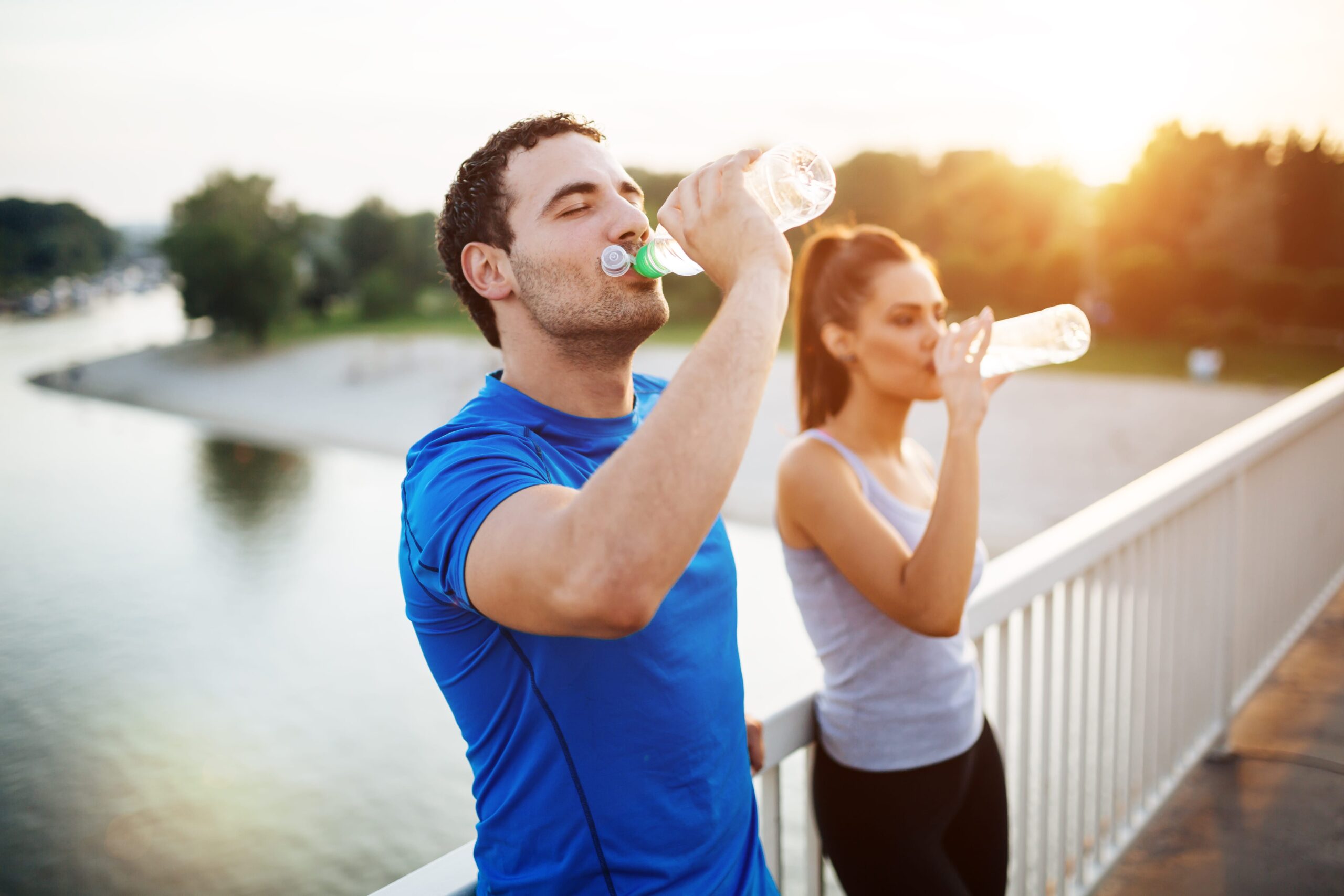
Which beverages are most effective in quenching thirst and keeping you hydrated?
Research from Scotland’s St. Andrews University evaluated the hydration characteristics of numerous different beverages and concluded that plain H20 is not the most hydrating beverage available.
The researchers found that both still and sparkling water are pretty good at quickly hydrating the body, but drinks with just a little bit of sugar, fat, or protein are better at keeping us hydrated for longer.
According to research author and St. Andrews School of Medicine professor Ronald Maughan, the explanation is how our body systems react to drinks. A specific drink’s volume is one consideration to take into account: The more you consume, the quicker your stomach empties and the liquid is brought into your circulation, where it may dilute your body’s fluids and rehydrate you.
The nutritional structure of a drink is another aspect that affects its hydrating capacity. Milk, for instance, was shown to be even more refreshing than regular water because it includes lactose, some protein, and fat, all of which aid in slowing the stomach’s emptying of fluids and maintaining hydration over a longer length of time.
Milk also contains salt, which acts as a sponge to retain fluid in the body and reduce urine production.
The same is true for rehydrating products being used to treat diarrhea. These include modest quantities of sugar and salt, and potassium that can assist the body in retaining water.
Electrolytes, such as sodium and potassium, contribute to better hydration, whereas calories in beverages result in slower gastric emptying and consequently slower urination, according to Melissa Majumdar, a registered dietitian, personal trainer, and spokesperson for the Academy of Nutrition and Dietetics who has not been involved in the research.
Most hydrating drinks
The research group at St. Andrews University examined the hydration effects of 13 typical drinks. Their findings are listed from most to least hydrating throughout 4 hours.
Ranked are the most hydrating drinks:
- Skim milk
- Rehydration solutions that are taken orally (such as Liquid I.V. or Pedialyte)
- Full fat milk
- Orange juice
- Coca Cola
- Diet Cola
- Cold tea
- Tea
- Regular water
- Sparkling water
- Beer
- Coffee
Sugar and hydration
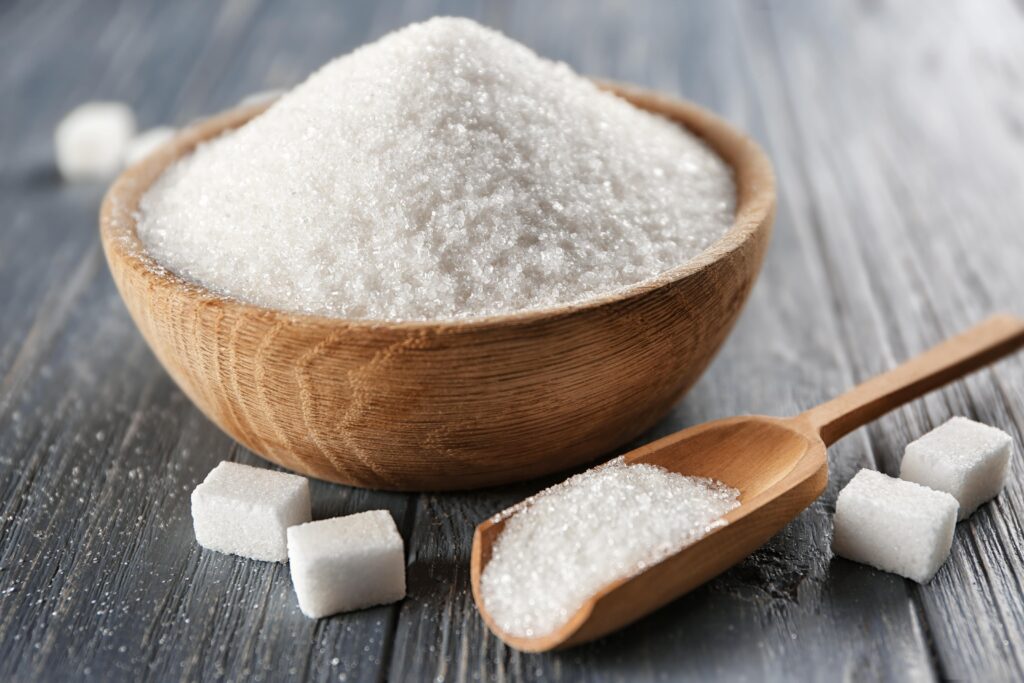
Fruit juices and carbonated beverages with higher sugar concentrations are not always as hydrating as their low-sugar counterparts. They may stay in the stomach a little longer and empty more slowly than plain water, but once they reach the small intestine, a process called osmosis dilutes the high amount of sugars in these drinks. This mechanism “pulls” water out of the cells into the small bowel to absorb the sugars contained in these beverages. And technically, anything within the intestinal tract is external to the body.
Majumdar noted that juice and soft drinks are not only less nutritious but also contain added sugars and calories that make us feel less full than solid foods. If you choose between drinking water or soda to stay hydrated, you should always choose water. Our kidneys and liver rely on water to eliminate toxins from our systems, and water is essential for preserving the elasticity and suppleness of our skin. It is the least expensive moisturizer available.
While being hydrated is vital because it lubricates our joints, prevents infections, and transports nutrients to our cells, in most instances, people do not need to be overly concerned about the hydration levels of their beverages.
“Your body will urge you to drink more if thirsty,” explained Majumdar. However, hydration becomes crucial for athletes exercising intensely in warm environments with substantial sweat losses and for those whose cognitive performance may be severely influenced by long working hours without refreshment breaks.
Beer and coffee
Alcohol works as a diuretic, causing you to pass more water; hence, the overall amount of an alcoholic beverage will determine hydration. As a result of the higher volume of fluid consumed when drinking beer, less water is lost than when drinking whiskey. Strong alcoholic beverages dehydrate, whereas diluted alcoholic drinks do not.
The degree to which your coffee hydrates you depends on the quantity of caffeine you ingest. According to the findings of Maughan’s research, a typical coffee with around 80 milligrams of caffeine — which is approximately the amount that you would get in 12 ounces of Folgers’ house blend — will be basically as refreshing as water.
Caffeine has a modest, short-term diuretic impact; thus, consuming more than 300mg or around 2-4 cups of coffee may cause you to lose extra fluid. This is more likely to occur in individuals who seldom take caffeine, and you may mitigate it by introducing a couple of tablespoons of cream into your coffee.


